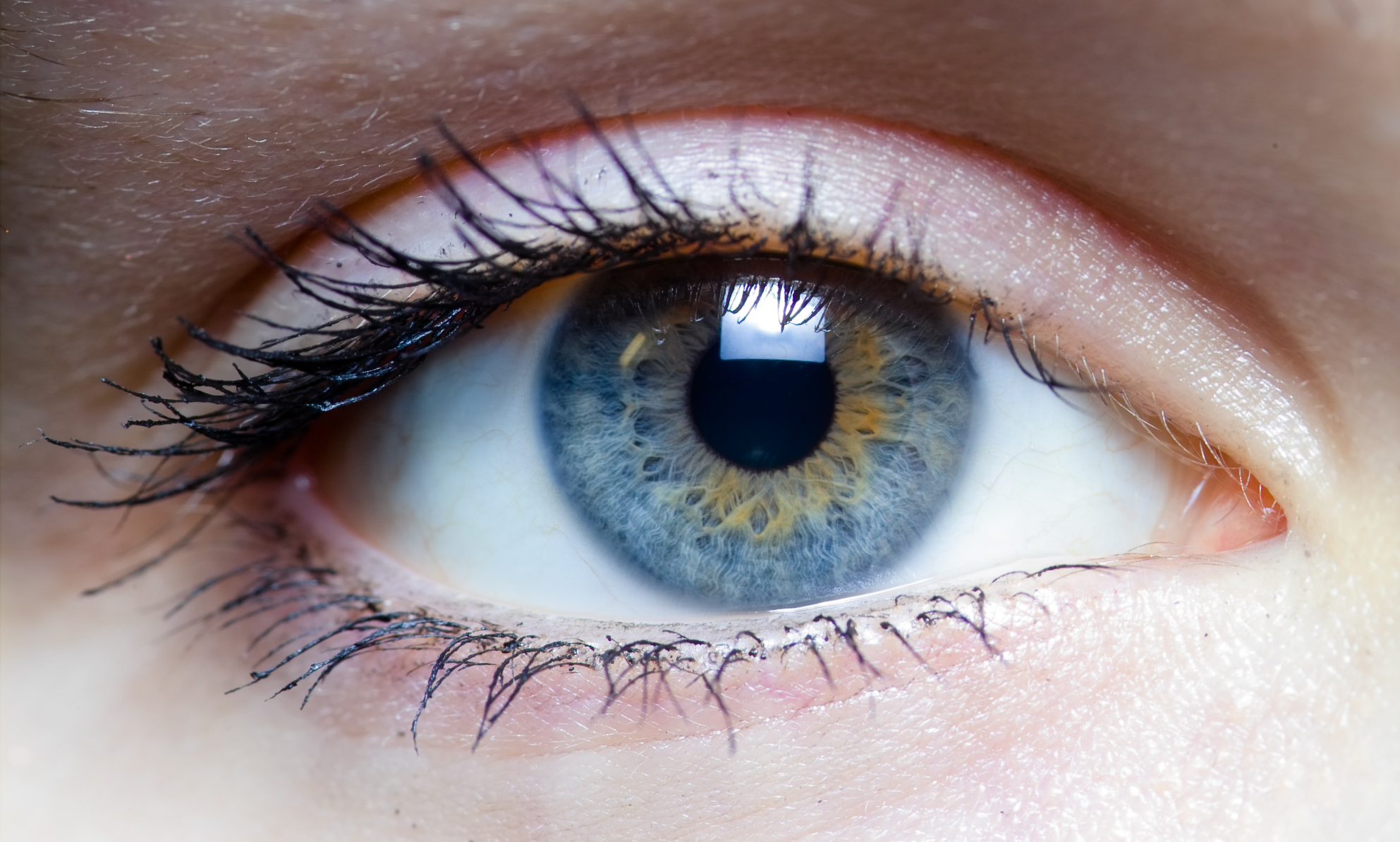
If you suffer from eye problems, then it may please you to know that there are a variety of ways to strengthen your eyes, improve your vision and prevent age-related vision disorders. The function of our eyes can be damaged through continued strain and overwork, in addition to poor nutrition and environmental conditions. Restoring proper vision takes a long time for some people, but education and action can go a long way to restoring damaged or weak eyes.
courtesy:ehow.com
 Instructions
Train the ciliary muscles to become stronger and avoid short-sightedness
Instructions
Train the ciliary muscles to become stronger and avoid short-sightedness by looking away at distant objects. When sitting down at work or studying, set a timer to go off every 10 minutes. When the timer goes off, take this opportunity to look at something at least 10 feet away from you. After a few minutes, return to work and continue practicing this visual exercise every 10 minutes.
Sit down somewhere comfortable and rest your elbows on either a table or on your knees. Place the cups of your palms over your eyes and while keeping all light out, allow your eyes to adjust to the darkness for up to 2 minutes. Slowly remove your hands away from your eyes and give yourself time to adjust to the increase in light. This exercise helps strengthen the eyes and reduces eye strain.
Stop using a night light for reading in bed. Reading in poorly lit conditions causes excessive stress on the eyes. In a study published in the scientific journal "Nature" in 1999, researcher Graham E. Quinn and colleagues found children who read at night were much more at risk for vision problems than those who read in the early morning. Reading should always be performed in well-lit conditions, and children should restrict their reading to before 8 p.m.
Take a supplement to supply the eye with required nutrients. In a study published in 2010, researcher F. Schweigert and colleagues found omega-3 fatty acids and the antioxidants lutein and zeathanthin were effective in supporting eye health and possibly preventing age-related macular degeneration. F. Schweigert, the author of the study, recommends taking these nutrients as supplements to gain clinically significant dosages. Vitamin A, B12 and C also are required for proper functioning of the eyes and can be taken either as a supplement or through the diet.
Take herbal remedies for supporting eye health. According to Kerry Bone, author of "The Clinical Guide to Blending Liquid Herbs," herbs that strengthen the eyes and improve vision include gingko, bilberry and eyebright. Bilberry in particular has been shown to increase the microcirculation of the eye and to prevent age-related diseases of the eyes. In a study published in "Advances in Gerontology" in 2005, researcher Anzhela Fursova and colleagues found bilberry was effective in preventing macular degeneration and cataracts in animals.

