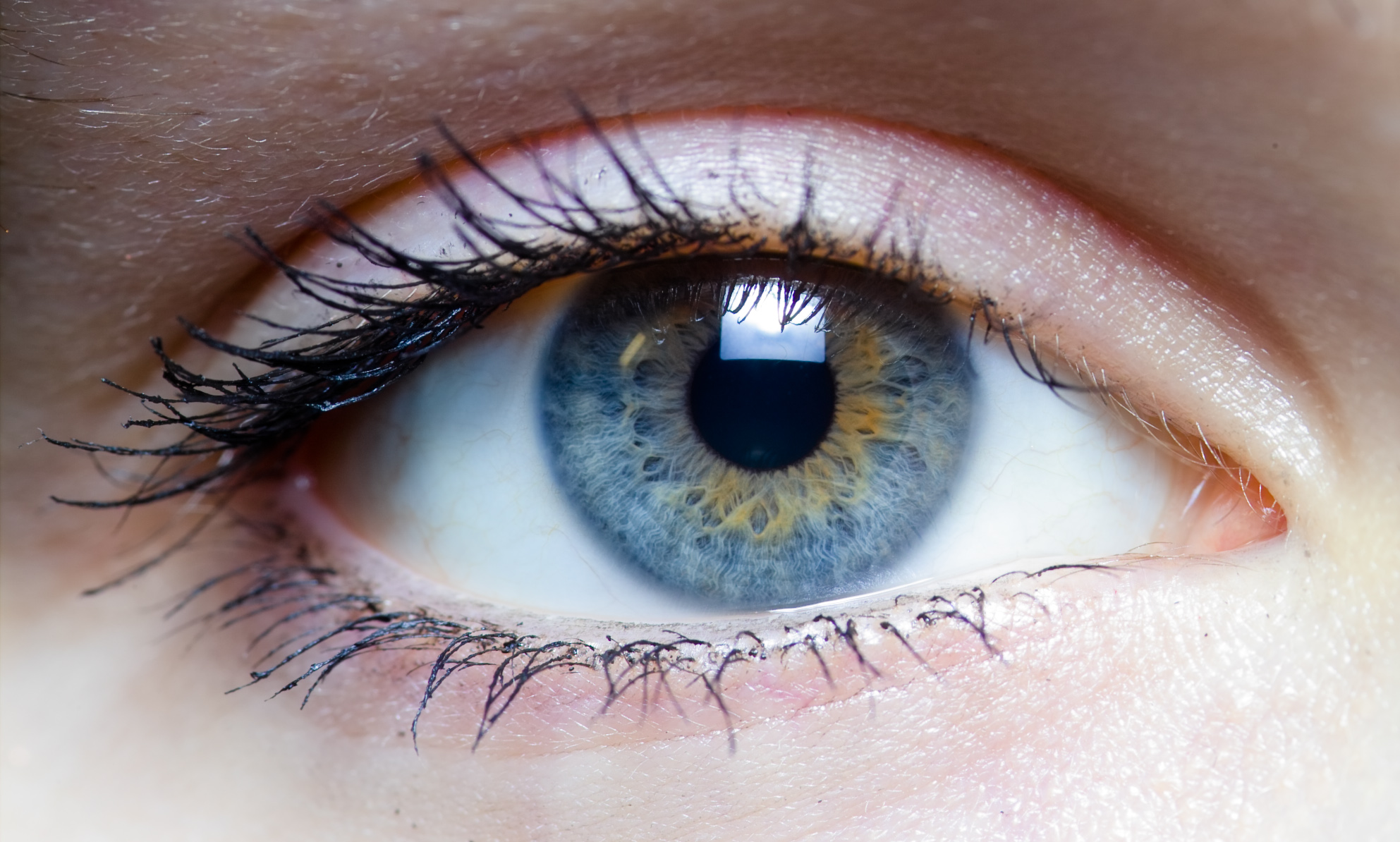
Effects of Deodorants on Our Clothes and Us

Do you use deodorants? Of course yes! How often you use? daily? Are you aware of it's side effects? I guess, not most of us are aware of it. So here's some highlight on how it effects us and our favorite cloths.

People have used different methods to control body odor and underarm perspiration for hundreds of years. The first deodorant ever created debuted in 1888 and was extremely difficult to apply neatly. A few years later, another deodorant emerged onto the market containing aluminum chloride, an ingredient still used today. Most deodorants have negative effects on clothes and skin.courtesy:ehow.com


Stains: Deodorant often takes an average of 30 seconds to absorb adequately into your skin. If your deodorant comes into contact with your clothing before it's absorbed into your skin, it can bleed onto your shirts and tops and stain them. Applying too much deodorant makes it more likely to stain clothes. White stick deodorants can create rather stubborn stains that are difficult to remove. Some deodorants can even have a lightening effect on colored fabrics or a yellowing effect on white fabrics.

Skin Discomfort: Sweat is actually odorless, but the bacteria that eat it make it stink. Deodorants make your skin acidic so it can stamp out the foul-smelling bacteria. However, making the skin of your underarms acidic can come at a cost. Very strong deodorants can irritate your skin in a variety of ways: they can make your skin itchy, cause a rash to develop or cause your skin to become excessively dry and flaky.

Decreased Perspiration: The aluminum in deodorants blocks sweat ducts, which prevents emerging sweat from reaching the surface of your skin. Because the underarm sweat is not releasing from the body, toxins build up underneath the skin. This buildup causes toxic deposits to develop in both men and women. According to the National Cancer Institute, aluminum-based substances also cause estrogen buildup, which is a leading cause of breast cancer.

Breast Cancer Risks: Countless studies have been done to determine if the aluminum causes breast cancer in women and men. Results have determined that it is not the aluminum that causes cancer. Toxic buildup and increased estrogen are what lead to a cancer diagnosis, specifically in women and men who shave their underarms frequently. According to the National Cancer Institute, women who began shaving their underarms before the age of 16 received an earlier diagnosis of breast cancer than women who began shaving their underarms at a later age.

Neurological Damage: Aluminum in the body is also linked to the development of neurological disorders. According to Education.com, aluminum in the brain may cause Alzheimer's disease. It is also linked to Lou Gehrig's disease, osteomalacia, anemia, glucose intolerance and Parkinson's disease. Although aluminum is linked to these ailments, it is not confirmed whether or not the aluminum that reaches the brain is absorbed through the use of antiperspirants.

Aluminum Alternatives

Due to the severity of the health concerns that aluminum poses, countless individuals seek alternatives to aluminum deodorants. Natural deodorants use herbs to minimize odors, but most alternatives do not include antiperspirants, so the body's natural sweating ability is not blocked. Popular odor removing ingredients include lavender, sage, mineral salt, ammonium and arrowroot powder.

Best Food for the Eyes

Eating certain types of foods, in addition to getting regular eye exams, can enhance and preserve the health of your eyes. Many of the foods considered beneficial to your eyes contain specific vitamins and minerals that can help ward of eye problems and slow the progression of age-related eye diseases. The American Optometric Association recommends several types of foods that can promote eye health.courtesy:wikihow.com


Green Leafy Vegetables: Green leafy vegetables top the list of best foods for the eyes. These vegetables, along with eggs, contain lutein and zeaxanthin, nutrients shown to reduce macular degeneration and cataracts, two age-related eye problems.

Zinc As A Link To Healthy Eyes: Zinc helps in the production of melanin, a protective eye pigment. Zinc is found in dairy products, such as yogurt, as well as meats, whole grains and beans.

Omega-3 Fatty Acids: Found most commonly in fish, including salmon, and fish oil, omega-3 fatty acids play an important role in visual development and retinal function. Best Health Magazine reports that these acids may lower your risk of age-related macular degeneration.

Foods Rich In Vitamin E: To protect eyes from damage caused by free radicals (unstable molecules that can impact healthy tissue), your diet should include foods rich in vitamin E, such as sweet potatoes, nuts (almonds are a good source) and fortified cereals.

Carrots And Eyesight: Fact Or Fiction: Will people--and rabbits--have better eyesight if they eat carrots? It's possible, says Dr. Amy Chow, O.D. Carrots contain beta carotene, which the liver turns into vitamin A that is then absorbed by retinal cells that enable you to see.

Certain Foods:

> Carrot
> Spinach
> Almonds
> Raspberries
> Salmon
> Broccoli

Enjoy the Falling Rain

It's raining outside!! Wat to do now? sometimes really tiring but, No! Learn to love the falling rain, which waters our world and should keep our spirits up.


Open the window in rainy weather. Lie down and let the sound of the rain soothe you. If it is bedtime, drift asleep to the sound of the rain.

Keep warm in colder weather. Don't open the window unless it is bearable; instead, cuddle up under your favorite quilt or blankets and listen to the sound of the rain on the roof. Yes, turn the TV off!

Focus on your senses. Watch the raindrops as they create puddles, listen to the different tones, from the white noise of distant rain to the more melodic large drops that hit puddles when running off the roof. Especially breathe deep, taking in the freshness of the air that only a fresh rainfall provides.

Take children out in the rain in their rubber boots and raincoats. Let them splash around in the puddles and rain (Bring your own rubber boots and join in if you want to feel like a kid again). They can take their rubber ducks and bath toys with them, or they can try and spot where the animals have hidden from the rain (birds, squirrels, possums etc., whatever your part of the world has). If you have an ant hill nearby, let them investigate what the ants are doing. Ask them if the ants come into your house earlier to warn you the rain was coming?

Take out some time from work or play to watch the rain falling through your windows. Relax and breathe deeply. Ask others to appreciate the rain with you.

Cook your favorite meal that you associate with rainy days. It'll bring back memories and cheer you up.

Do all those things you said you'd save until a rainy day. Get out the old puzzles and games; finish that long-forgotten sewing or woodwork project; read that novel; dance with your loved one on the living room floor.

Go on an indoor outing like the cinema or a restaurant. Apart from needing to take an umbrella or raincoat, once you're indoors again, you'll forget about the weather and you won't regret wasting sunshine.

Drink hot tea and enjoy the sip with your near and dear ones.

Enjoy a Relaxing Weekend

People always wonder what to do on an utterly boring and dull weekend with nothing to do and no money to spend. Here's a solution to your dreadful problem! courtesy:wikihow.com


Instructions

Eat a nice hot breakfast such as frozen waffles, pop tarts, pancakes, you name it! Along with that, a cup of hot tea or coffee is recommended. Also, orange juice is a great morning drink, because it will give you all the energy you need for the day of relaxation!

Take a long, hot shower or bath to get you up and awake, then either get in a clean pair of pajamas or a comfortable outfit such as sweatpants and a sweatshirt

Get on the computer, watch your favorite show, listen to music, etc.

Eat again then relax and do whatever suits your interests. Some interesting ideas are to meditate, read, do your hair, dress up for fun, whatever your heart desires!

If you're home alone, then let loose and be yourself completely. Do something silly or stupid, scream, release all the week's stress in some just plain dumb ways. You'll feel much better.

If it's raining outside and your parents or whoever agrees, go walk in the rain; or if you dare, dance in the rain! Just have fun.

Get something to look forward to. Think about that long assembly that gets you out of school/office on Monday or your favorite movie being aired on TV.

Increase Eye Power

If you suffer from eye problems, then it may please you to know that there are a variety of ways to strengthen your eyes, improve your vision and prevent age-related vision disorders. The function of our eyes can be damaged through continued strain and overwork, in addition to poor nutrition and environmental conditions. Restoring proper vision takes a long time for some people, but education and action can go a long way to restoring damaged or weak eyes.courtesy:ehow.com


Instructions

Train the ciliary muscles to become stronger and avoid short-sightedness by looking away at distant objects. When sitting down at work or studying, set a timer to go off every 10 minutes. When the timer goes off, take this opportunity to look at something at least 10 feet away from you. After a few minutes, return to work and continue practicing this visual exercise every 10 minutes.

Sit down somewhere comfortable and rest your elbows on either a table or on your knees. Place the cups of your palms over your eyes and while keeping all light out, allow your eyes to adjust to the darkness for up to 2 minutes. Slowly remove your hands away from your eyes and give yourself time to adjust to the increase in light. This exercise helps strengthen the eyes and reduces eye strain.

Stop using a night light for reading in bed. Reading in poorly lit conditions causes excessive stress on the eyes. In a study published in the scientific journal "Nature" in 1999, researcher Graham E. Quinn and colleagues found children who read at night were much more at risk for vision problems than those who read in the early morning. Reading should always be performed in well-lit conditions, and children should restrict their reading to before 8 p.m.

Take a supplement to supply the eye with required nutrients. In a study published in 2010, researcher F. Schweigert and colleagues found omega-3 fatty acids and the antioxidants lutein and zeathanthin were effective in supporting eye health and possibly preventing age-related macular degeneration. F. Schweigert, the author of the study, recommends taking these nutrients as supplements to gain clinically significant dosages. Vitamin A, B12 and C also are required for proper functioning of the eyes and can be taken either as a supplement or through the diet.

Take herbal remedies for supporting eye health. According to Kerry Bone, author of "The Clinical Guide to Blending Liquid Herbs," herbs that strengthen the eyes and improve vision include gingko, bilberry and eyebright. Bilberry in particular has been shown to increase the microcirculation of the eye and to prevent age-related diseases of the eyes. In a study published in "Advances in Gerontology" in 2005, researcher Anzhela Fursova and colleagues found bilberry was effective in preventing macular degeneration and cataracts in animals.

Be Adventurous

Tired of doing the same old thing? Want to spice things up? There's more to being adventurous than traveling and climbing mountains. The formula for adventure is really quite simple: Novelty + courage = adventure. So what are you waiting for? Read this and embark on your own very memorable adventure! courtesy:wikihow.com


Put a new twist on the same old thing. Come into your house through your window instead of your front door. Take the long road home. Study the kama sutra. Cook an exotic meal. Wear something totally out of character. Go to a movie in your high school prom dress. Learn a new language and whisper sweet nothings into the ear of your loved one, or the hottie at the bar. Whatever it is that you're doing, ask yourself: "How can I do this differently?" Even something as mundane as brushing your teeth can take on a whole new level of fun when you practice a tap dancing routine or belly dance at the same time!

Conquer your fears. You know what they are, and once you overcome them, that'll open the door to a whole new set of adventures. Whether it's heights, public speaking, karaoke, your mother-in-law...face it. Remember that fear is a biological response to worrying about death. If the situation that scares you isn't life-threatening, there isn't any reason to be scared!

Talk to strangers. The best way to find new adventures is through new people. Everybody has different experiences and a different background; every person can teach you something new. Maybe that guy sitting across from you at the coffee shop can show you how to climb a mountain. Maybe the old lady in the library can teach you how to preserve fifty pounds of tomatoes. Maybe the quiet girl at the bar can offer you a place to stay with her cousin in Buenos Aires, or Budapest, or Bolivia. Get over your approach anxiety and start talking to people! Who cares if they brush you off? What's the big deal? It isn't going to kill you, right? (Well....see the Warnings below.)

Try new things. Always be on the lookout for new things to do. Read the local papers, and ask people (now that you're chatting up a storm with strangers) what they're doing in their spare time. Go to a local farm and ask if you can milk a cow. Film a documentary. Take a ballet or salsa dance class. Meditate with Buddhist monks. Whatever it is, approach it with an open mind and a good attitude, and thank people for giving you the opportunity for trying something new.

Get lost! Explore new territory. Once in a while, spend a day off just driving around randomly and seeing what you come across. (If you have a map and aren't too isolated, you should be able to find your way home.) If you have the means to do so, visit another country. Even if you can't travel, you can climb the tree in your backyard--that's new territory, and you'll probably enjoy the view!

Make a bucket list. A bucket list is a list of things you want to do before you "kick the bucket". Surely, you don't want to die having followed the same old routine, day in, day out, do you? So write up that list - complete with goals big and small, like skydiving in Peru, and whistling with a blade of grass - and get to it!

Live in the moment. Adventurers are experts in focusing on the journey rather than the destination. Yes, they usually have a goal in mind, but when you're trying new things, plans always change and your route will, too! You'll need to be resourceful and, more importantly, be a good sport. When things go wrong (which they will, or else you're not pushing far enough outside your comfort zone) don't get moody and distraught; outline your options, pick one, and charge forward with your life. And have fun!

Grow Taller naturally

Different people of different ages want to be somehow taller in life boys,girls,even adults. Some people are short and want to be taller sometimes to attract the opposite sex. Some kids want to be taller because it gives them and advantage over shorter players in different sports. While there are people that actually said that growing taller will not happen at a certain age, It is said that you can actually grow taller at any age.

With the right exercises, proper nutrition, proper sleep, you can do it. courtesy:ehow.com


Instructions

Get the proper sleep 8 hours at least at night. Sleep without a pillow.

Proper nutrition eat diet rich in fruits, vegetables, proteins.
> Take a multivitamin.
> Drink lots of water.
> Drink milk, eat dairy products.

Run 5 miles a day. Run with 5 pound ankle weights, increase to 10 pounds over time.

Jump rope 400 times a day, the goal is to do 1000-2000 jump rope a day but that will be done throughout time.

Do sit ups with 10 pound medicine ball start out with 50, do 1000 sit ups over time.

Do pull ups start with 15 pull ups a day. Try to make it to 100 pull ups a day over time.
Hang from the bar for 2-4 minutes a day. Make it to 10 minutes over time.

Play more outdoor sports. Swim, Cycle ....

Avoid Junk Food at Work

We all fall victim to eating junk food at work; virtually no one is immune. In my clinical practice as a nurse practitioner, my office is constantly being bombarded with cookies, cakes and candy every day of the week. I imagine yours is too. So if you want to get off the junk food merry-go-round and improve your health--I have a few suggestions that may be helpful.courtesy:ehow.com


Instructions

Manage your junk food intake or let it ruin your health. The choice is really yours! Totally avoiding eating any junk food is only for those of us with Superman-like strength and willpower. Sadly, if we totally abstain we may end up overeating and consuming way more junk food then we would have had in the first place. So at the beginning of the day, allocate a predetermined amount of junk food you will allow yourself. (Some days you may not feel like having any and cheer yourself on!).

Do not make a big deal or announce your plan to avoid/limit junk food. You will be setting yourself up for peer pressure, office jokes and endless monitoring by your coworkers of what you eat. You are doing this for YOU.

Look at your body in the mirror totally naked (I know this is hard for some of us, but is really essential). First list what you LIKE about your body and then what you feel needs improvement. Don't be shy--this list is for your eyes only. Write down the truth.

There are plenty of articles on nutrition, building muscle and working out. Read them if you need to refresh your knowledge base. Determine what your goals and nutrition needs are and fit in a "junk food allowance." Remember, just because you give yourself permission to have some junk food, there are simply going to be days you will not want or crave any. Rejoice privately!

Keep a stash of healthy snacks in your office. Before you go get that cup of coffee or take a bathroom break, eat some raisins or other healthy snacks before finding the junk food glaring up at you.

Write down your junk food intake each day and the reason why you felt compelled to eat it. Sometimes it is as simple as the person who brought the cake is an excellent baker and you knew it would be wonderful! Other times, and most often, it will be stress, boredom or peer pressure. Now you have to figure out how to handle these differently.

Most importantly, don't beat yourself up if you had a bad day and ate a lot more junk food then you anticipated. It is "progress, not perfection" that should be your goal.

Use Headphones Frequently Without Risking Hearing Loss

MP3 players, portable CD players, Walkmans-many of us use headphones on a daily or semi-daily basis. But improper, excessive headphone use can lead to temporary hearing loss or even permanent ear damage. Here are some pointers on how to avoid those kinds of problems.courtesy:ehow.com


> Always make sure that the sound output coming out of your headphones is set at a moderate volume. What exactly does "moderate" mean? You should be able to hear someone nearby if they call out to you.

> Pay special attention to the volume level when you're listening to music, especially music that's especially percussion- or bass-heavy. This kind of music can cause serious hearing damage if played in headphones at excessive volume.

> If possible, avoid "ear buds" or other headphone styles that penetrate inside the ear. Instead, choose headphones that rest on top of the ears. This style is less obtrusive and less likely to cause hearing damage.

> It's not a good idea to use ordinary headphones while on airplanes, trains, or while you're near loud machinery. Such environments contain a high level of ambient noise and will incite you to turn your volume up to dangerously high levels without even noticing it. If you must use headphones in such situations, use the "noise canceling" type.

> Use headphones in moderation. Even if you are listening only to the spoken word (such as a talk radio station or an audiobook) try not to use your headphones for more than 90 minutes a day.

Train Your Mind to Positive Thought

Training your mind to practice positive thinking enables you to increase your self-esteem and perceived control in your life. Learning how your mind works and how to incorporate positive thoughts can help improve many areas, including work, family and social relationships. Improving your life through positive thinking, however, requires a proactive effort on your part to combat and change your current lifestyle and perceptual attitudes.


> Identify the internal negative thought patterns your mind uses. Types of negative thought patterns include: personalizing (blaming yourself), filtering (focusing only on the negative) and catastrophizing (anticipating the worst and blowing negative events out of proportion). Think of concrete examples in your own life in which you internalized problems and used these patterns to think negatively about situations.

> Practice positive self-talk. Think of a negative situation which you encountered over the past day or week. Turn the negative thoughts you had about the event into positive thoughts. For example, perhaps you experienced a flat tire on your way home from work. Instead of catastrophizing the event, find a way to spin it into a positive experience (e.g., you gained the important skill of changing a flat tire). Practice this positive self-talk for several negative situations or events that you've experienced to get into the habit of training your mind towards a different thinking pattern.

> Evaluate your thoughts throughout the days and weeks that follow. Periodically stop throughout the day to review your internal thoughts to determine if they have been mostly negative or positive. Think rationally about the negative thoughts which you do encounter. Find ways to spin those negative thoughts and train your mind to see them in a positive light.

> Create a positive thoughts journal. Spend time each evening or morning reflecting and writing down good things that have happened in your life or throughout the day. Acknowledging good events and positive experiences then writing them down helps improve your thinking habits and trains your mind to think positively.

> Find healthy ways to deal with stressful events and situations. Develop and keep an exercise routine several times a week. Exercise and regular physical activity stimulate brain chemicals that improve your mood and boost energy levels, according to the Mayo Clinic. Spend time each day in meditation, focusing on clearing your mind and on relaxation. Meditation decreases the negative effects of stress and rejuvenates the mind and body.

> Surround yourself with positive friends and family members. Negative people who continually focus on the bad and are unsupportive may only re-enforce negative thinking habits. Alternatively, making friends with and spending time with supportive individuals may help you achieve clarity when troubling situations arise.

Avoid Early Morning Stress

It's 6:30 a.m. and the "rise and shine" song bellows through the house as the little squeaks and groans respond to the early morning alarm.

It's time to get the little one's ready for school/daycare and make sure they are properly dressed and fed before running out the door. You can either fly by the seat of your pants and hope that everything is taken care of, or you can follow a few simple steps to make your mornings fun and stress-free.courtesy:ehow.com


> Get out clothing the night before: For babies, make sure you have all of their diapering items available and ready for use. For toddlers, get out their entire outfit including socks and shoes and stack them neatly in a place where you will dress them first thing. For your older children, encourage them (well...make them) get out their own clothes, shoes, and socks for the next day. This will help teach them responsibility and show them how to plan. It is critical that each sock and each shoe be located the night before because these lost items seem to be the major culprit when it comes to frenzied morning chaos. Keep the television off until all children are fully dressed and ready. Without fail, the TV slows morning activities to a screeching halt, so keep it off until all kids are fully dressed.

> Prepare breakfast the night before: For babies, get the formula and bottles ready for quick early morning preparation and have prepared any bottles that need to go to daycare. Get these prepared bottles into the diaper bag along with other necessary items for the babysitter, and it will all be ready to go with you as you walk out the door. For the older kids, have their breakfast ready the night before the extent that you can. It is wise to get out bowls, spoons and even pour the cereal into the bowls the night before. Once the kids are completely dressed, they can find the milk, and pour it onto their own cereal and you can spend the time enjoying them and talking to them about their upcoming day.

> Homework: Set a rule that all homework must be done immediately after school so that there aren't any last minute efforts at 7:25 a.m. the next day to finish up. Make sure the kids have all necessary paperwork and assignments in their backpacks before bed, and then have the kids put them in a convenient place so they aren't frantically searching for it in the morning.

> Bond: Spend the mornings bonding with your kids as opposed to participating a daily scavenger hunt for necessary items that always seem to evaporate when you are in a hurry. It is well worth it!

The Secret for Perfect Health

Holistic health brings us great insight into the mind body connection. By focusing our minds and energy on positive thoughts, we are better able to foster healing in our bodies. Principles taught in Rhonda Byrne's book "The Secret" mirror this philosophy and are of great use when dealing with sickness. Follow the steps below and begin to attract health to your mind, body and soul.courtesy:ehow.com


> Use your imagination and believe you are in perfect health. Imagine how a healthy body would feel and hold onto such feelings. Recall a past time when you were in good health or picture yourself as strong, energetic and pain free.

> Get a clear picture of what you want to look like. Cut out pictures of people with healthy bodies and put them in a place where you will see them each day. Such photographs carry positive energy that will increase your attraction to wellness.

> Write down several positive affirmations about your health. For example: "I am getting healthier everyday," or "My body is slender, strong and full of energy." Then spend 10 to 20 minutes each day meditating on these positive affirmations.

> Find the things that inspire you and experience them frequently. When you feel joy, the Law of Attraction will bring more joyful energy into your life. Go for long walks in nature or listen to inspiring music. Anything that makes you feel calm and at peace will do wonders for your body.

> Let go of negative emotions. Holding onto anger, resentment or fear will eventually manifest itself as sickness. If your emotions are deep seated, consult a counselor or psychiatrist to help you work through them.